PhD Program Welcomes Third Cohort of Doctoral Students
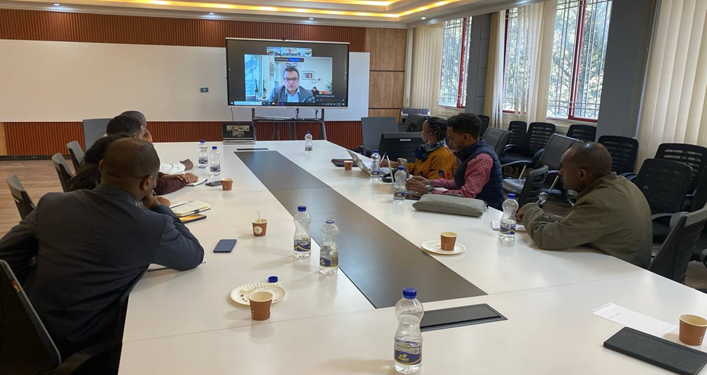
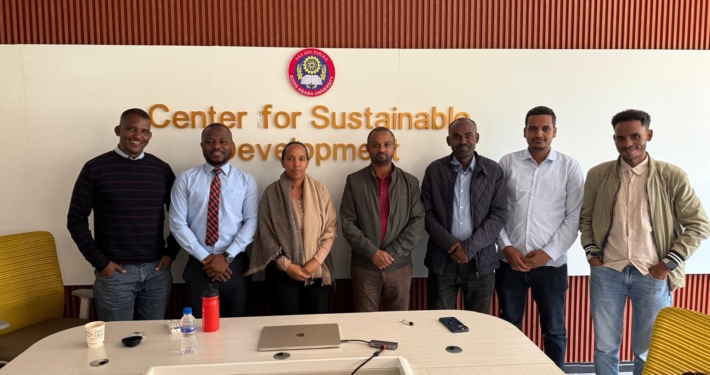
Third cohort: Leykun Getaneh, Collins Otoo, Dureti Abate, Mulualem Desta, Alemu Leta, Gebrie Tsegaye, Temesgen Tadesse
The PhD Program, hosted at the Centre for Sustainable Development at Addis Ababa University, has welcomed its third cohort of students, marking another important milestone in the program’s continued growth and academic impact. Eight candidates were admitted in February 2026 following a highly competitive selection process that included a written entrance examination as well as face-to-face interviews conducted by an international panel of professors. The rigorous selection procedure reflects the program’s commitment to academic excellence and to attracting candidates with strong potential to contribute to the field of sustainable development.
The new cohort has recently begun their coursework. This initial phase will equip students with the theoretical and analytical tools necessary to address complex sustainability challenges at local, regional, and global levels.
Upon successful completion of their coursework, students will move on to the next critical stage of their doctoral journey: the development and defense of their PhD research proposals. This milestone will allow candidates to refine their research questions and methodologies under the guidance of faculty. Following proposal approval, students will commence data collection and dissertation research. The cohort is expected to complete their doctoral theses in 2029.
Beyond their individual research projects, the PhD candidates will play an active role in the broader academic life of the program. Throughout their studies, they will engage closely with members of the Politics of Sustainable Development through teaching, supervision, academic events, and collaborative interactions. These interactions are intended to foster a dynamic and inclusive scholarly environment, encouraging knowledge exchange and interdisciplinary dialogue.
The arrival of this third cohort not only strengthens the program’s research capacity but also reinforces its mission to train the next generation of scholars and practitioners committed to advancing sustainable development. As the students begin their academic journey, they join a growing community dedicated to producing impactful research that addresses pressing societal and environmental challenges.
Student experiences
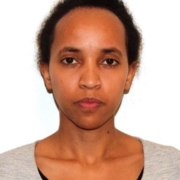
Reflecting on her admission to the PhD Program, Dureti Abate describes the experience as both inspiring and motivating. She learned about the PhD opportunity through the University’s website and was encouraged by what she describes as a transparent and competitive selection process.
“I found the recruitment process to be both impartial and rigorous, which made joining the program even more rewarding.” Dureti looks forward to expanding her knowledge of social science research methodologies, which she believes will complement and broaden the legal research approaches she has previously relied on. She is particularly excited about the program’s interdisciplinary nature and hopes the coursework will offer practical learning experiences that go beyond purely theoretical approaches. “I am motivated to explore how legal systems can better engage with the challenges of sustainable development,” she adds, expressing hope that the program will provide a collaborative and supportive academic environment where students can learn from one another while addressing complex sustainability challenges.
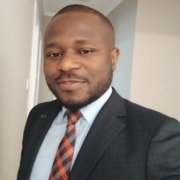
Collins Otoo from Ghana is one of the two international students admitted to the third cohort of the PhD Program. He holds both a BSc and an MSc from KNUST and initially came to Ethiopia for work. Collins discovered the PhD opportunity through LinkdIn and quickly visited the University’s website to learn more about the program before submitting his application.
Reflecting on his decision to apply, Collins emphasizes the global outlook of the program. “The most inspiring aspect of the program was its international nature,” he says. After successfully passing both the written exam and the interview, he was delighted to be admitted, especially as he had been uncertain whether his application would be successful as a non-Ethiopian applicant. Collins expresses gratitude for the opportunity to study at the center and is eager to learn from his fellow students while expanding his academic knowledge. Looking ahead, he hopes the program will also provide opportunities for collaborative research and publishing with faculty and scholars from partner institutions such as the University of Malawi and the University of Oslo.

