The Future of Aid in Malawi: Implications for Governance and Development
Roundtable, Blantyre, Malawi
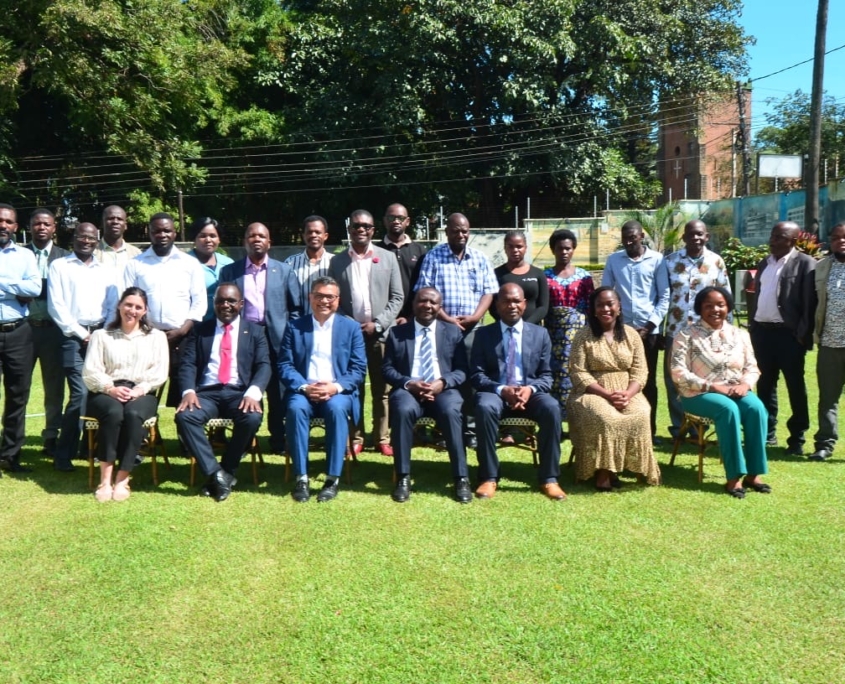
Against a backdrop of shifting global aid priorities and declining international assistance, policymakers, academics, civil society representatives, and development practitioners gathered in Blantyre on 9 May 2026 to discuss the future of development aid in Malawi and its implications for governance and sustainable development. The roundtable provided an opportunity to reflect on how Malawi can navigate an evolving development landscape while strengthening national ownership of its development agenda.
A central theme throughout the discussion was the need to reduce long-term dependence on external aid. While participants acknowledged that development assistance continues to play an important role in supporting Malawi’s national budget and public services, many argued that the country must place greater emphasis on mobilising domestic resources and investing in sectors that generate sustainable economic growth. Tourism, mining, agriculture, and value addition were repeatedly identified as areas with significant untapped potential.
Participants stressed that future development should focus less on consumption and more on productive investment. Several speakers questioned whether current public spending priorities are sufficiently aligned with long-term economic transformation, highlighting the need for stronger investment in research, innovation, and industries capable of creating jobs and expanding the country’s revenue base.
The discussion also highlighted the importance of evidence-informed policymaking. Participants pointed to a disconnect between research produced by universities and government decision-making, arguing that stronger collaboration between academia and policymakers would help ensure that development policies are grounded in local evidence and practical experience.
Governance and accountability featured prominently throughout the dialogue. Participants reflected on the challenges posed by corruption, weak implementation, and limited transparency, while also recognising ongoing efforts to strengthen decentralisation and improve service delivery through local government structures. The discussion underscored that accountability is a shared responsibility, requiring collaboration between government, civil society, communities, and citizens.
Civil society organisations were recognised as important actors in promoting transparency and representing community voices, although participants also reflected on the implications of declining donor funding for the sector. Several speakers suggested that organisations may need to diversify their funding sources, including through social entrepreneurship and stronger partnerships with government and local communities.
The roundtable also explored how aid should be delivered in the future. Rather than viewing government-to-government assistance and project-based aid as competing models, participants emphasised the importance of coordination, local ownership, and ensuring that external support aligns with Malawi’s national development priorities. Strengthening institutions and building implementation capacity were seen as equally important as securing financial resources.
While perspectives differed on the future role of aid, there was broad agreement that Malawi’s long-term development cannot rely on external assistance alone. Instead, sustainable progress will depend on effective governance, stronger institutions, evidence-based policymaking, and greater investment in the country’s own economic and human potential. The discussion ultimately highlighted that the future of development lies not only in how aid is provided, but in how Malawi shapes and finances its own development priorities.